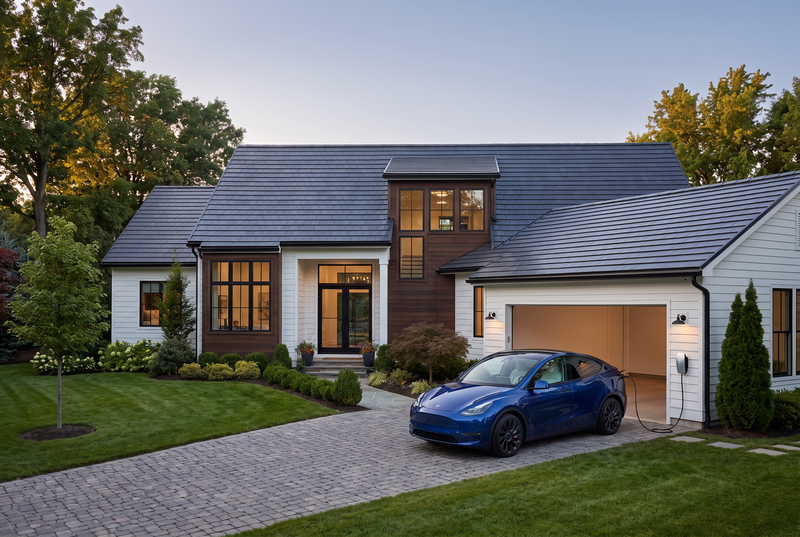
Wildfire & Your Home Policy: Risk Scores, Discounts, Defensible Space
How carriers score wildfire risk, the home-hardening steps that actually move your premium, and what Safer from Wildfires discounts require.
FAIR Plan, non-renewals, earthquake, 30/60/15, umbrella policies. Guides to the questions California families actually ask, written by a real San Jose team.
This blog covers California insurance the way we explain it across the kitchen table: home and property guides on the FAIR Plan, non-renewals, wildfire, and earthquake coverage; auto guides on the 30/60/15 minimum, at-fault liability, and the 20 percent good driver discount; plus landlord, life, umbrella, and small business coverage, local guides for San Jose, Silicon Valley, and the Bay Area, and a careers series on what insurance agency ownership really pays. Every guide is educational and jargon-free. When you're ready for numbers instead of reading, Candice Salcedo Insurance quotes it all for free at (408) 669-4068.
No guides match that search yet. Try a different word, or request the topic and we'll put it on the calendar.
California's home insurance market has been rough on homeowners: non-renewals, FAIR Plan fallbacks, and premiums that jump for reasons nobody explains. These guides explain what's actually happening, what your policy really covers, and the moves that keep good coverage on your house.
Everything in one place: what an HO-3 covers and excludes, how dwelling limits should be set, wildfire and earthquake realities, and how to keep good coverage in a hard market.
HomeDon’t panic. Your 75-day window, whether a wildfire moratorium pauses it, your three paths back to coverage, and a step-by-step action plan to get covered fast.
HomeWhat the state's insurer of last resort actually covers, what it leaves out, and why almost everyone on it needs a wrap-around policy to fill the gaps.
HomeMost exits take 12–24 months: documented hardening, a broker shopping the re-opening admitted market, and the state's depopulation machinery. With 29.1% landing October 15, this is the renewal to start on.
HomeThe FAIR Plan covers fire; the DIC covers nearly everything else — liability, water, theft, loss of use. Two policies, two deductibles, one complete house, typically 25–60% on top of the FAIR premium.
HomeWildfire losses, rebuild inflation, reinsurance costs, and the regulatory changes now working through the market. What's driving your renewal, in plain terms.
HomeState regulation requires insurers to discount for documented wildfire mitigation — every action on the 12-item list earns its own credit. The full list, the 2026 changes under AB 1 and AB 888, and your risk-score rights.
HomeYou can't fix the market, but you can fix your policy. The credits that actually work here, starting with wildfire mitigation — and the one cut that's never worth making.
HomePublished studies say $1,300–$1,900 a year — and studies pricing bigger rebuild limits say far more. What the averages hide, why California sits below the national number during a crisis, and where San Jose fits.
HomePublished studies say about $1,262 a year — roughly 22% below the California average — because most of San Jose carries little wildfire exposure. What the hillside fringe pays instead, and the rebuild-cost catch.
HomeEnough to rebuild at Bay Area construction costs — not the Zillow number, because the land isn't insured. The calculation, the extended-replacement cushion, and the underinsurance trap.
HomeRCV pays for new; ACV pays for used — and the two-check claims system in between. Where each shows up on home, renters, condo, and auto policies, and the cheap endorsement worth buying.
HomeStandard policies generally can't carry them — surplus lines policies can, and some are enormous. Which paper you're holding decides everything, and renewal season is the time to check.
HomeYour homeowners policy excludes earthquakes entirely. How CEA policies work, what private carriers offer, how those percentage deductibles work, and whether it's worth it for your home.
HomeNo regulator publishes a local average, so here's what's public instead: the 5%–25% deductible menu, retrofit discounts up to 25%, and the state grants that help pay for the work.
How carriers score wildfire risk, the home-hardening steps that actually move your premium, and what Safer from Wildfires discounts require.
A $2M home isn't $2M to rebuild, and most of that price is the land under it. How dwelling coverage should actually be set, and why extended replacement cost matters here.
Where your HOA master policy stops and your HO-6 begins, the three master-policy types, why loss assessment coverage matters, and the earthquake gap.
CondoAbout $767 a year in the largest 2026 study — but your HOA's master policy moves the number more than any average, and loss assessment is the coverage that matters most.
CondoMulti-policy is an approved California auto rating factor — but state rules require it to weigh less than your driving record, mileage and experience.
CondoWhen the HOA passes its master deductible to owners, this HO-6 line pays your share. Defaults are ~$1,000; raising to $50K costs $20–$50/yr — and there's a hidden cap most policies carry anyway.
Walls-in coverage, loss assessment, and the gap between what your HOA insures and what's yours to protect. With real California condo examples.
Why your landlord's insurance won't help your stuff, what an HO-4 covers, how much liability to carry, replacement cost vs ACV, and the earthquake gap.
RentersPublished studies say about $13–$16 a month for a typical policy, with San Jose at or below the state average. What moves the price, how much coverage you need, and which national cost advice to ignore here.
RentersAbout 44% of San Jose households rent at a $2,669 median gross rent. What the policy costs, what it covers, and the local risks worth setting limits against.
RentersOakland is majority-renter at a $1,979 median; Fremont is majority-owner at $2,933. Both sit on the Hayward Fault, and both mandate soft-story retrofits.
RentersNo state law requires it — but your lease can, and most now do. What landlords can legally demand, what the interested-party listing means, and why the $13–$16/month answer settles the debate.
RentersThree things — plus one most renters have never heard of: your belongings are often covered when they're nowhere near your apartment. What's in, what's out, and where the limits hide.
RentersLoss of use pays the increase in your living costs after a covered loss, not the whole bill — and California's 24-month disaster rule is written for homeowners, not renters.
RentersElectronics are covered like anything else. Jewelry hits a $1,500 cap — but only for theft. And the “10% off-premises limit” everyone repeats isn't what people think it is.
RentersYour renters policy excludes the shaking. The CEA renters product covers belongings and living costs — with no deductible on loss of use — starting around $35 a year.
Usually less than a streaming bundle, and it covers far more than people expect: theft, liability, and a hotel if your unit becomes unlivable.
California made ADUs easy to build and easy to underinsure. Other-structures limits, rental use, and when the backyard unit needs its own policy.
California raised its minimum to 30/60/15 in 2025, and it's still not enough for a state where the average new car passes $45,000. These guides cover liability that fits your assets, the discounts Proposition 103 guarantees, and the coverage quirks of Bay Area driving.
The complete stack: the new 30/60/15 minimum, why at-fault California means bigger limits, uninsured motorist coverage, collision vs comprehensive, and the 20% good-driver discount you're owed.
AutoPublished averages run from about $130 to nearly $290 a month — same state, same year. Why they disagree, what actually sets your number, and the rating factors California law won't allow.
AutoPublished studies say roughly $135–$245 a month for full coverage — at or below the state average, with a $400-a-year spread between neighborhoods. What actually sets a San Jose premium, from an agency ten minutes away.
AutoCollision is driving into something; comprehensive is something happening to your car. What each pays, the deductible math, and why comprehensive is usually the one to keep longer.
AutoA 2026 study puts the average jump at about $5,482 a year — third-highest in the country — because California rates on experience, not age. The structure moves that pull families under the average.
AutoOnly if you were "principally at fault" — 51%+ the cause — and it caused injury or $1,000+ in damage. The legal test, the presumptions in your favor, and the four outcomes.
AutoCalifornia law forbids using the lapse itself against your rates or Good Driver eligibility — the opposite of national advice. The DMV side is the real risk, and here's the whole sequence.
AutoNo law defines "full coverage" — in practice it means liability plus collision and comprehensive, and it can still be missing what matters most. When a lender requires it, when to drop it, and what the phrase leaves out.
AutoWorth it when your loan can outrun your car's value — and California law now caps the dealer version at 4%, bans cancellation fees, and makes refunds automatic. The part the finance office doesn't volunteer.
AutoOnly if it becomes a visible point — traffic school masks it entirely, and even a visible point doesn't end the 20% Good Driver Discount. The decision tree that beats any fake average.
AutoMost advice on this was written for other states — and some of it does nothing here. The levers that actually work in California, starting with a discount state law requires insurers to give you.
AutoEvery credit that actually exists here — the one state law guarantees, the one it requires for drivers 55+, and the optional ones carriers file — plus the national-list "discounts" that don't apply in California at all.
AutoIt's really two discounts — one on each policy — and the most common mistake is a bundle where only one side got the credit. When bundling wins, when it doesn't, and what a home non-renewal does to your auto rate.
AutoAcademic standing is a rating factor California expressly permits — which makes a B average real money on the most expensive rating class a family carries. Who qualifies, what proof keeps it, and what stacks with it.
AutoThe biggest single jump most families ever see. How you structure it matters more than where you shop — and one choice alone is commonly worth about $2,000 a year.
AutoThe 2025 increase doubled the old limits and still runs out in one serious accident. What the minimum covers, and where your personal assets pick up the rest.
AutoThe driver who causes the accident pays for it. What happens when blame is shared, who decides the percentages, and why that makes your liability limits the most important number on your policy.
AutoRoughly one in six California drivers has no insurance. What UM/UIM actually does, how it handles hit-and-run, what it costs, and why it’s optional here — so plenty of people don’t have it and don’t know it.
AutoProposition 103 guarantees it — insurers must sell to you and price you at least 20% below the comparable rate. What qualifies, what one ticket does and doesn't do, and the timing traps that quietly cost people the credit.
AutoUsually yes — but less than the headlines suggest. Why repair economics rather than crash risk drive the gap, how much of it is really a luxury-car effect, and how to keep the premium down.
AutoYes — but only with comprehensive coverage, which California doesn’t require. What’s covered, how your deductible decides whether to file, and how to be a harder target.
When to add them, how much the premium moves, and the good student and training discounts that soften the landing.
Almost certainly not. How the three coverage periods work, why the app-on-but-waiting window leaves your own car exposed, and why delivery isn’t automatically included.
★ Flagship MotorcycleCalifornia is the only state where lane splitting is legal. What that means for claims, the 30/60/15 minimums, the helmet law, and the coverage that protects the bike, the gear, and you.
RVA motorhome is a motor vehicle under California law, so 30/60/15 applies. A travel trailer isn't — which changes what's required, what your tow policy covers, and where the gaps sit.
MotorcycleWhat actually drives your number, why the averages you find online disagree so wildly, and how to tell whether the rate you’re paying is a fair one.
MotorcycleYes — often several times a comparable cruiser. The four factors that compound, why displacement matters, and what actually brings the number down.
MotorcycleThe credits actually worth chasing — starting with the safety course that pays you twice — plus bundling, garaging, licensing, and the ones riders leave unclaimed.
When a guide raises a question about your own policy, don't sit with it. Bring us your renewal and we'll walk it line by line, in plain English, in about 15 minutes.
A rental isn't a home with a different mailbox: it needs a different policy. These guides cover DP-3 dwelling policies, loss of rents, tenant damage, and the liability layer every Bay Area landlord should be carrying.
DP-3 policies, loss of rents, liability, and umbrella coverage. The full picture for anyone renting out property in California, from one unit to a small portfolio.
LandlordPublished figures run about $800–$2,400 a year — roughly 15–25% above homeowners pricing for the same house. Why the studies disagree, what moves a DP-3 premium, and the loss-of-rents math that matters more.
A homeowners policy on a tenant-occupied house is a claim waiting to be denied. The DP-3 switch, when to make it, and what it costs.
A kitchen fire empties the unit for months, and the mortgage doesn't pause. How fair rental value coverage keeps the income flowing during repairs.
Platform host protection isn't an insurance policy. Where it stops, what your own policy excludes, and how to insure a short-term rental properly.
Sudden and accidental gets covered. Gradual and expected doesn't. Where the line sits, with examples from real landlord claims.
Rental property multiplies liability exposure. How a $1M+ umbrella sits over your landlord and personal policies, usually for a few hundred dollars a year.
A Bay Area mortgage is a big promise, and these are the coverages that keep it kept. Plain-English guides to term life sized to your actual obligations and the umbrella liability layer most California homeowners skip until someone explains it.
Term vs whole, how much coverage a Bay Area mortgage really requires, and how to buy it once, correctly, without the hard sell.
LifeA median San Jose home runs $1,233,200 against a $146,427 median household income — about 8.4×. That ratio is why national coverage rules of thumb fall short here.
Life & UmbrellaThe 10x-income rule breaks down here, and the reason is the mortgage. The DIME method walked through plainly, plus what a stay-at-home parent is really worth.
Life & UmbrellaThe honest version without the commission pitch — what each actually does, why whole life costs several times more, and the conversion option almost nobody mentions.
Life & UmbrellaUsually not — and the amount is only half the problem. The policy belongs to your employer, not you, and it walks out the door the same day you do.
Life & UmbrellaThe layer above your auto and home liability. What it covers, what it won’t, the underlying limits California drivers usually have to raise first, and why it protects future earnings too.
Life & UmbrellaMost people default to a million because that’s where policies start. How to size it honestly, why future income belongs in the math, and why the second million costs less than the first.
Life & UmbrellaBoth stack coverage on top of what you have. The difference is whether they add only height or also reach — and you find out which at exactly the wrong moment.
What each one is actually for, why term fits most families, and the situations where permanent coverage genuinely earns its premium.
Mortgage, childcare, college, income replacement. A simple way to run the number for a household where the mortgage alone is seven figures.
Group coverage is a benefit, not a plan: it's usually 1-2x salary and it ends when the job does. Why a personal policy belongs underneath it, especially in tech.
One serious at-fault accident can pass your auto limits and reach your home equity. How an umbrella sits over everything you already carry, and what it costs.
Ex-spouses still on file, minors named directly, estates by default. Five minutes of paperwork that decides where the money actually goes.
From contractors in San Jose to consultants working out of a spare bedroom, the right policy is what keeps a business open after its worst day. GL, BOP, workers' comp, and commercial auto, explained the way we'd explain them to a friend.
General liability, property, workers' comp, commercial auto, and professional liability: what each layer does and who genuinely needs it.
BusinessOne employee triggers California's workers' comp requirement, with a $10,000 minimum fine for going without. What local businesses need and what drives the cost.
CSLB license requirements, certificates for GCs, subcontractor exposures, and the claims that actually hit small contractors here.
Liability plus property plus business interruption, bundled cheaper than buying separately. Who qualifies, and when you've outgrown it.
California requires coverage the day you hire your first employee, and the penalties for skipping it are severe. How it's priced and how to keep the cost sane.
Your home policy caps business property at a few thousand dollars and excludes business liability almost entirely. The endorsements and policies that close the gap.
Tools in the bed, your name on the door, jobsites on the calendar. The point where personal auto stops covering the way you actually drive.
Candice is the Farmers District Manager for Titanium-ranked District 80 in San Jose, so these guides skip the recruiting pitch. What ownership actually pays, how the four entry paths compare, and whether the leap makes sense for you. Ready for the real conversation? Start at our careers page.
The real economics: what you invest, what the first three years look like, what renewals compound into, and who this business rewards. No pitch, just the math and the tradeoffs.
Associate Agent, Retail, Agency Acquisition, and the Elite Owner Program. Capital required, how fast income starts, and who each path actually fits, side by side.
The four programs, the capital requirements, the timeline from first conversation to open doors, and what a district office actually does to support a new owner. Not a franchise: no franchise, sign-on, or royalty fees.
New business commissions, renewal commissions that compound as the book grows, new-agency bonus opportunities, and the resale value of the book. Why this starts slow and compounds. Income is not guaranteed and varies by performance.
Acquisition means renewal income from day one and a price tag to match. Retail means runway and sweat. How to weigh the two honestly, and what capital each really takes.
Most agency owners come from mortgage, real estate, B2B, auto, or finance sales. What actually transfers, what you'll have to learn, and how the Associate Agent Program bridges the gap.
Pre-licensing hours, exam costs, fingerprinting, and realistic timelines. Everything between deciding to do this and legally selling your first policy.
Salary you give up, income that replaces it, benefits you now buy yourself, and the equity that changes the long-run picture. A clear-eyed comparison for anyone weighing the jump.
Rates and risks change block by block here: hillside wildfire zones, fault lines, commute corridors, condo towers. These guides get specific about the coverage picture in the cities we quote every week, starting with our home base in San Jose.
Rebuild cost vs sky-high market value, why wildfire risk changes block to block, the FAIR Plan and DIC wrap, earthquake, and umbrella coverage for high-value homes.
Older housing stock near the university, new condos by Levi's Stadium, and what both mean for dwelling limits and HO-6 coverage.
Eichlers with original wiring, townhome HOAs, and tech-commuter auto rates. The coverage details that matter in one of the Valley's most rebuilt cities.
High rebuild costs, hillside homes edging into wildfire territory west of town, and how to keep coverage strong where premiums run high.
Where land value dwarfs rebuild cost and gets dwelling limits set wrong in both directions. Plus condo coverage near downtown and EV-heavy auto notes.
The hills are the story here: wildfire scores, non-renewal pressure, FAIR Plan wrap-arounds, and the home-hardening steps that keep standard coverage available.
Charming older homes with charming older plumbing. Water damage claims, sewer backup coverage, and rebuild pricing for pre-war construction.
Newer subdivisions, multi-car commuter households, and the Hayward Fault next door. Why earthquake coverage deserves a real look on this side of the Bay.
Condos and TICs, garage break-ins and car glass, Victorian rebuild costs, and the earthquake question every SF homeowner eventually asks.
Real client questions decide what gets written next. If you're stuck on a coverage decision and can't find a straight answer anywhere, ask us. If it's useful to you, it's useful to a hundred other Californians.
The team at Candice Salcedo Insurance in San Jose, licensed to sell insurance in California (CA Lic. #0G36007). The topics come straight from the questions clients ask us on the phone, and every guide is reviewed before it goes live. When California rules or the market change, and lately that's often, we update the guides to match.
No. These guides are educational: they explain how California insurance works and what most people in similar situations tend to do. Coverage that actually fits your house, your cars, and your family takes a conversation. That conversation is free, takes about 15 minutes, and starts at our quote page or (408) 669-4068.
Regularly, with timely California topics first: FAIR Plan changes, wildfire season, rate filings, and new state requirements. The topics you see marked "coming soon" are already on the calendar. Bookmark this page, or email us and we'll let you know when a specific guide goes live.
Please do. If you're trying to make a coverage decision and can't find a straight answer anywhere online, email us or call (408) 669-4068. Client questions get fast-tracked, and you'll usually get a plain-English answer on the phone long before the article publishes.
Yes. The rules we write about, 30/60/15, the FAIR Plan, Proposition 103, workers' comp requirements, apply statewide, and we serve clients across all of California. The local guides zoom in on Silicon Valley and the Bay Area because that's our backyard, but if you're in Sacramento or San Diego, the coverage principles hold and so does our phone number.
Tell us about your home, your cars, and your plans. We'll build the coverage around your life and quote it in about 15 minutes.